Wednesday, July 22, 2009

What have you done lately to help out in your community? You may have heard on the news or from your parents that our economy is not doing too well lately. That means more people than ever are struggling to pay bills and even provide food for their family.

No matter how old you are, there are many creative and inexpensive ways to help others this summer.

Take a Stand With Sunkist
Kids ages 7 to 12 can register at
http://www.sunkist.com/ and submit their "Take a Stand" pledge and receive a free Sunkist lemonade stand, while supplies last. Then sell glasses of homemade to raise money for a charity.

Angels in Action
Students ages 8 to 18, will be recognized and rewarded for exemplary acts of service to benefit their community, a charity or cause. Visit
http://www.angelsoft.com/ to get great ideas for creative projects by reading about last year's winners on the Angel Soft site.

Stamp out Hunger
It is easy to help local hunger organizations at a very low cost by donating coupon bargains.
Students can use the Grocery Deals by State page on The Savings Mom Web site,
www.savingsmom.com, which lists grocery coupon deals in most states.

Clip coupons and buy several items to donate yourself. Or make a flyer asking neighbors to stick a few canned items in a sack and leave the sacks on their front porch on a designated day. Then go around collecting the bags to be delivered to a local food pantry.

Start a Great American Bake Sale
Sponsored by Domino Sugar and C&H Sugar, kids can
sign up to receive a Participant Kit which includes everything you’ll need to get baking and starting selling your treats. Donate the money you earn to an area homeless shelter.

Thursday, June 25, 2009

Need Cash? Get to Work!
It's not always easy for kids to find a job. But here are some things kids can do to earn a little extra cash over the summer.

  • Babysitting of course. Check your local hospitals to see if they offer a babysitting class, or learn more about babysitting and earn a babysitting certificate here.

  • Get your lemonade! Not only is a lemonade stand fun, but you can shake things up and offer home-made cookies too. Don't forget to pay Mom and Dad back if they help with supplies.
    Walk dogs/care for pets. Lots of people are too busy over summer to take care of their pets. Start your own pet care, dog walking business. Those long-haired dogs might need brushing, too.

  • Yard work and gardening is another good idea. Offer to cut grass, weed gardens and do general yard work for people. Seniors especially can use the help in the summer.

  • Hold a car wash! Get a group of friends together and with parents’ permission start your own car wash.

  • Have a yard sale. Clean out your closets, toy chests and basements of all the toys/books you no longer use. You'd be surprised how much stuff you no longer use.

  • Teens can visit here to learn how to find a job, where to get working papers, where teens can work, what to wear for an interview, and how to obtain references.

There are laws about kids working so you have to be creative when you are young to earn money. Get your parents involved too, they may have some good ideas. They may even be more encouraged to help you out if they see you trying to make your own cash instead of just holding out your hand.

Thursday, June 11, 2009

Learning the “Real” Value of Money through Giving

I have always believed that a necessary part of learning about money is learning how to value what you have and sharing with people who do not have as much as you. In an effort to teach these lessons to my own children, my wife and I helped our sons Keanu and Tristen establish their own non-profit organization call Turn Kindness On (TKO) Helping Hands. TKO Helping Hands motivates children of all ages to change their world through volunteering, harnessing their uniquely empathetic energy and empowering them to build a lifelong relationship with community service.

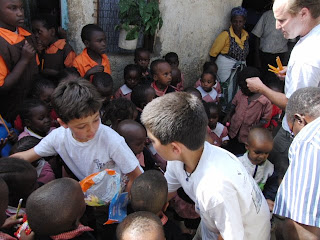
During a recent family vacation to Africa, our family did what we always do when we travel. We took money and supplies collected through the efforts of TKO and local students and delivered them to children’s organizations in the communities where we visited.

Click here to watch and see what a difference you can make when you understand the “real” value of money.

Tuesday, June 9, 2009


What is Diversification?

Have you ever heard some say “don’t put all of your eggs in one basket”? What does that mean? Well, if you put all of your eggs in one basket and that basket drops, you run the risk that all of your eggs will be broken and lost. But if you put a few eggs in two or more baskets and only one basket falls breaking only its eggs, you still have some good eggs in your other baskets that didn’t fall and break.

That is diversification: putting your money in several different places or buying some stocks from several different companies. For example, if you use all of your money to buy stock in only one company and the value of that stock drops then you could lose all of your money. But if you diversify, maybe you buy stock in several different companies and put some money in the bank for saving and keep some money at home in your piggy bank. Then if the value of stock in one company goes down, you only lose the money you invested in that stock but should still have money in your other locations.

By the way: what’s the most you can ever lose in stocks? The amount you invested. What’s the most you can gain? Unlimited – anything can happen.

Monday, May 18, 2009


How Much Do Stocks Cost?

When you think about buying stock, you should remember that there is risk that goes along with it, but there is also opportunity. So if someone asks the question “what are the best companies to invest in,” the answer must take into consideration the amount of risk that investor is willing to take. If the investor says, I don’t want to lose this money to make a fortune, but I really think it’s a great company - there are lots of companies that look promising. Many of them you’ve never heard of, but they believe they’ve got the next newest idea.

Have you ever heard the expression “Time heals all wounds”? When you get older, you’ll have typical grown-up experiences – like with boyfriends and girlfriends. You’ll break up and think the world is coming to an end. But over time, you’ll get over it and your life will get back to normal and things will be OK. Well it’s similar with stocks. If you invest in enough stocks and diversify – buying some companies that are less risky and some with medium risk and some that are real risky – over time it should all be ok. However it's important to remember that diversification doesn't guarantee you will make money and it is still possible to lose money in your investments.

Tuesday, April 21, 2009

Bankers nationwide are celebrating National Teach Children to Save Day on Tuesday, April 21. Founded by the American Bankers’ Association Education Foundation, the day is dedicated to educating youth about the importance of saving.

Parents, Here are Five Tips for Teaching Financial Responsibility

  1. Value of Saving – Teach children why you save and why they should save by using everyday examples like buying groceries. Illustrate how savings can grow by collecting money in a jar or container.
  2. Needs vs. Wants – Explain the differences between needs and wants and how to prioritize spending. Use examples like toothpaste vs. another video game.
  3. Allowance – Consider an allowance to teach how money is earned. Provide an allowance in a way that children can save part of it and spend part of it (for example, if an allowance is $5, give five one dollar bills so some can be saved and some spent).
  4. Set a Goal – Setting a goal for savings or to buy a desired item will help teach a child to be responsible for him/herself and reinforce the feeling of accomplishment when the goal is reached.
  5. Open a Savings Account – Establish regular saving habits that will last a lifetime by opening a savings account with your child.

CHECK OUT THE LINKS on our sidebar for lots of fun resources to help your children save!

Wednesday, April 1, 2009


What Causes the Stock Market To Go Up and Down?

Have you ever heard of supply and demand? When there is a lot of something – a large supply – the price goes down. When there is a small supply of something, the price goes up.

Let’s say when it’s time to eat, there’s only one sandwich and everyone wants it. The price would go up. The person with the most money will be able to buy it. But when there are lots of sandwiches the price goes down. It’s the same with stock. If a lot of people want a certain stock – and there are a limited number of shares, the price goes up. If a lot of people want to sell a stock, and not too many who want to buy it, the price goes down, because the supply will be greater. When everyone wants to buy a stock, the price goes up.

The other thing that affects the price of stock is emotion. When people are very excited about the market and they want to make a more than anyone else and they are willing o do anything – that’s when the price of stock goes really high. That’s called greed. When people are greedy they’re willing to do anything they can. But when people are scared, what do they do? They hide. When people are scared and they sell their stock and put their money in the bank, they are sort of hiding. What’s happening in our markets today? People are scared. There’s a lot of money sitting in the bank.